

In recent years, conversations around mental health, especially for children, have become more open and urgent. The increasing focus on emotional well-being in schools reflects a broader societal shift towards recognising the importance of addressing emotions. The pandemic and its aftermath have intensified the need to prioritise mental health in educational settings.
Children’s Mental Health Week 2025, taking place from 3-9 February, is organised by Place2Be, a children’s mental health charity that has been providing counselling, mental health support, and training in schools for over 30 years. Each year, the week aims to help children feel empowered to speak about their mental health and build a deeper understanding of themselves.
This year’s theme, Know Yourself, Grow Yourself, encourages children and young people to embrace self-awareness and explore how understanding themselves can help them build resilience and personal growth.
Helping children feel safe and heard through a supportive environment and conversation
Children don’t always have the words to explain what they’re feeling. Their world is shaped by the spaces they move through, the people they interact with, and the small, everyday moments that tell them they are safe and valued. When they struggle with anxiety or school-related stress, it’s often not just about the situation itself but how they experience it. A calm environment, a connection to nature, and simple ways to express their emotions can help them feel more at ease.
Creating a space where children can breathe
The right environment can do more for a child’s emotional well-being than any single lesson or strategy. Inspired by the Montessori philosophy, a well-prepared space helps children develop independence, emotional security, and curiosity. In Montessori classrooms, the prepared environment is intentionally designed to be open, structured, and calming, allowing children to navigate their learning with confidence.
Furniture is child-sized to suit young children, materials are accessible, and every element has a clear purpose. Spaces that are predictable and gentle on the senses, soft lighting, cosy reading corners, and a quiet spot to step away when needed send the message that it’s okay to slow down. When classrooms feel welcoming and steady, children feel safer opening up, exploring, and expressing their emotions.
For more on the Montessori approach to the prepared environment, visit: Montessori Academy
Speaking activity: create a “Feeling Wall” where children can pin up words or images that match their emotions. Instead of keeping everything inside, they get a chance to name what they’re feeling. Teachers can model by adding their own emotions too, showing that it’s normal to have ups and downs.

Letting nature do some of the work
Nature doesn’t ask for anything, it just is. A plant on a desk, a short walk outside, or even the sound of rustling leaves can help children feel more grounded. Research shows that kids who spend time in nature are often happier, less anxious, and better at focusing than those who stay indoors. Outdoor experiences also build confidence, encourage creativity, and teach responsibility through activities like caring for plants (Child Mind Institute).
School gardens, in particular, offer unique opportunities for social and emotional learning. Studies suggest that children show stronger communication and cooperation skills in outdoor learning spaces, where they take responsibility for plants and engage in hands-on experiences. These environments encourage emotional connection, autonomy, and positive social interactions (Pollin & Retzlaff-Fürst, University of Rostock).
The video, “Using Natural World to Support Children’s Development,” highlights how nature connects with all children, including those with disabilities, through sensory experiences. It shows that learning in nature, about nature, and with nature creates meaningful, hands-on learning experiences. For example, children can collect leaves to learn about their patterns or feel the wind to understand its effects, making learning fun and memorable.
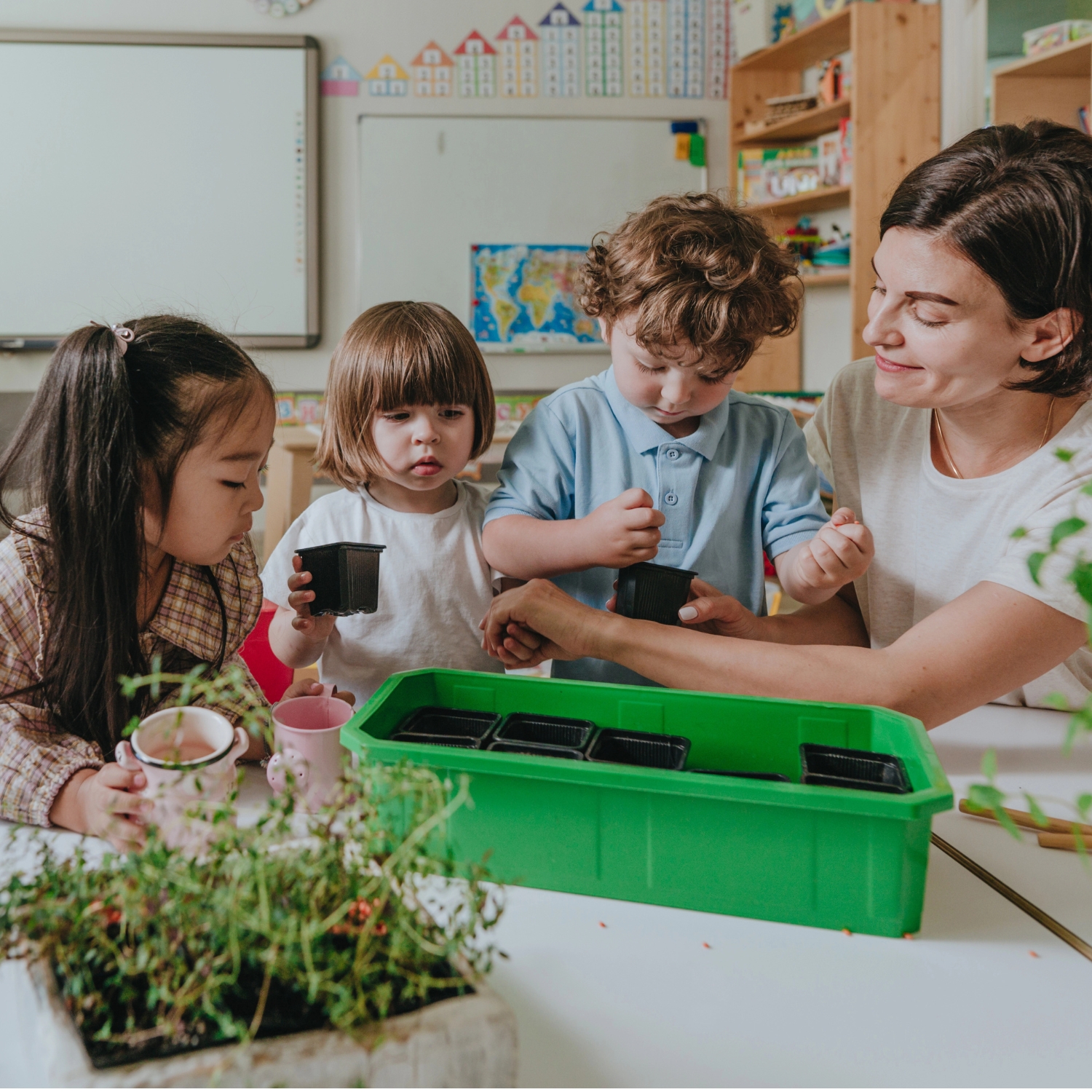
Speaking activity: pair students up and give each group a small plant to take care of. Each week, they share what they’ve noticed, such as how the leaves change, how much water it needs and how it reacts to sunlight. By speaking about something outside of themselves, they learn to observe, reflect, and communicate without pressure.
Talking about what feels hard
Some children wake up every morning dreading school, not because they don’t want to learn, but because they don’t feel in control. Maybe they’re afraid of getting something wrong. Maybe they feel invisible in a room full of people. Instead of just focusing on attendance, schools can create moments where children’s fears are heard without judgment.
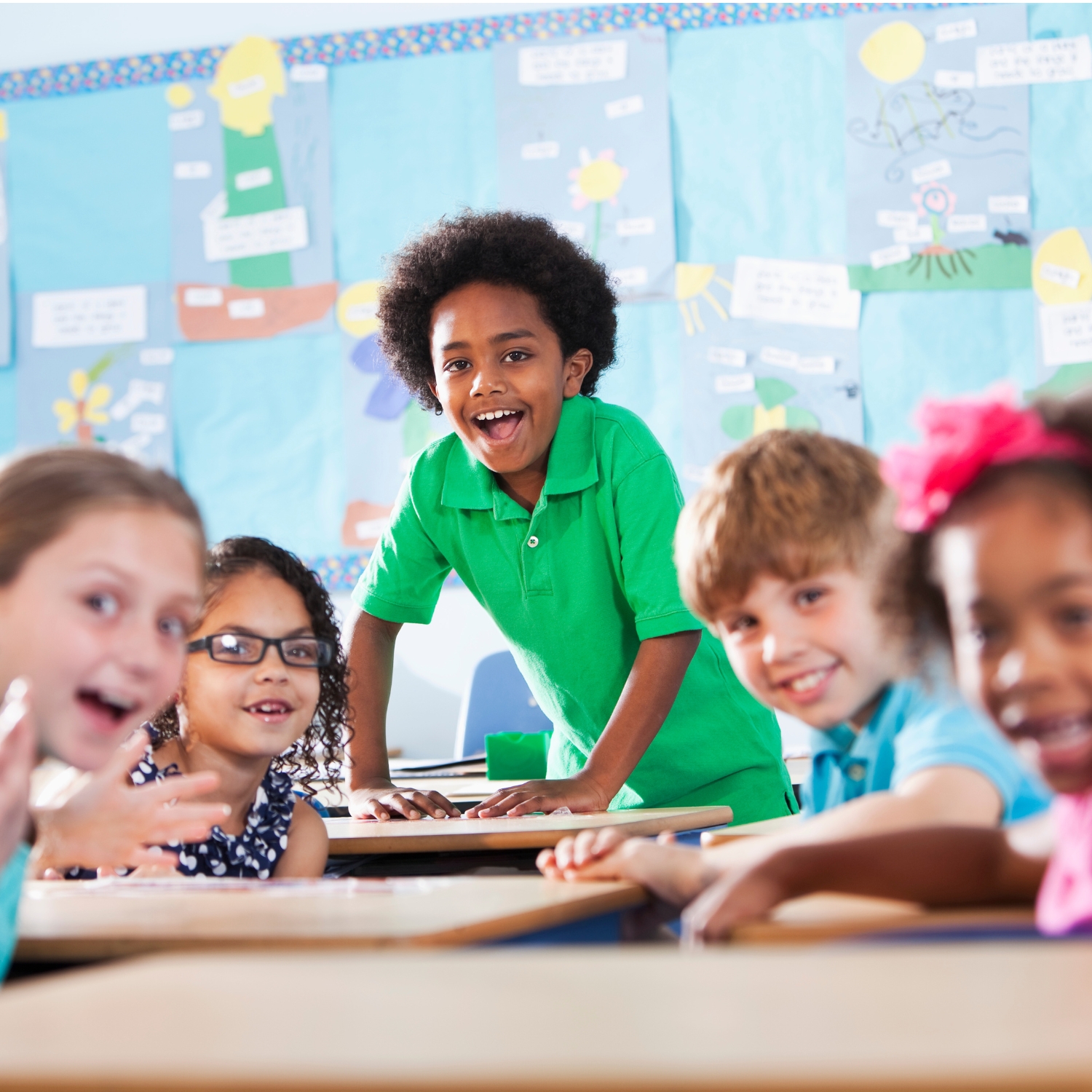
Speaking activity: start the day with a simple check-in. Each child can share one word about how they’re feeling. No long explanations, no pressure, just a chance to be seen and acknowledged before the day begins. Over time, this small habit can make it easier for children to speak up when they need support.
Small shifts, lasting impact
Children don’t need grand gestures to feel supported. Sometimes, it’s the little things, a plant to care for, a quiet space to retreat to, a teacher who takes a moment to listen. The more we create environments where children feel safe to speak, connect, and just be, the more we help them manage their emotions in a way that feels natural and manageable.
Supporting your students doesn’t happen all at once, but in the moments that tell a child: You are seen. You are heard. You are not alone.