

As parents and teachers, you all know how important it is for kids to communicate confidently. But did you know that reading can play a huge role in developing those speaking skills? The right books can help children think, speak, and express themselves more clearly. Whether you’re looking for a way to encourage conversation, build confidence, or simply have fun, these 10 must-read books are perfect for helping kids improve their oracy skills.
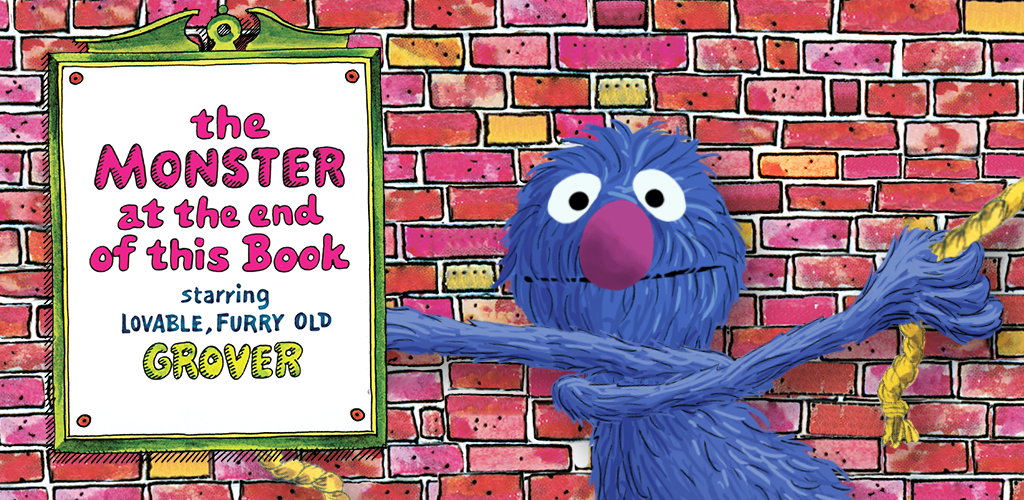
1. The Monster at the End of This Book…starring Grover! by Sesame Street
This classic story engages kids with humour and suspense while helping them think about emotions and predictions. Grover’s reactions, fear, frustration, and relief, make it a great book for discussing feelings in a fun, lighthearted way.
Activity Idea: after reading, show the animated video version and have students retell the story in their own words or act it out. You can also pause the video at important moments and ask them to predict what will happen next!
You can find the video here: https://www.youtube.com/watch?v=r3947-T_hHw
2. “What If…” by Samantha Berger
“What If…” helps kids think creatively about different scenarios. It encourages them to come up with their own fun “what if” questions, allowing them to speak about their ideas with confidence.
Activity Idea: let the kids come up with their own “what if” questions and take turns sharing them. Challenge them to explain their ideas in detail and share their thoughts with others.
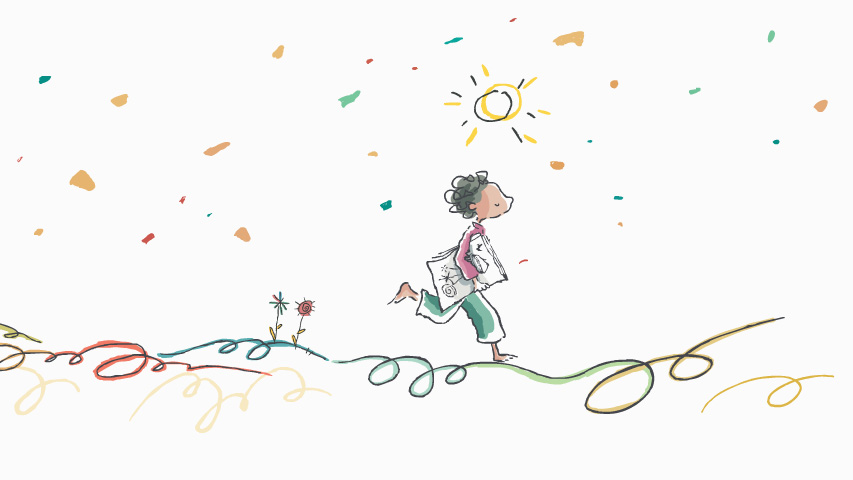
3.”Ish” by Peter H. Reynolds
“Ish” is about expressing yourself freely, without worrying about perfection. It’s a wonderful story for encouraging children to speak up about their thoughts and ideas, even if they’re not sure how to say them.
Activity Idea: after reading, ask the children to describe their creations or talk about how they express themselves in their own “ish” ways. This helps them build confidence in their speech.
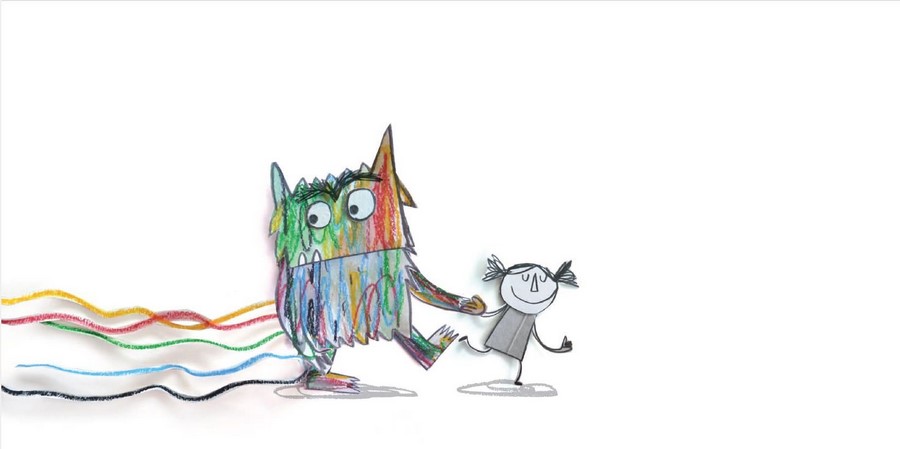
 4. “The Color Monster: A Pop-Up Book of Feelings” by Anna Llenas
This book helps children talk about their emotions by using colours to represent different feelings. It’s a great way for them to start speaking about how they feel in various situations.
Activity Idea: ask the students to pick a colour that represents how they feel today and explain why. This helps them practise speaking about their emotions and expand their vocabulary.
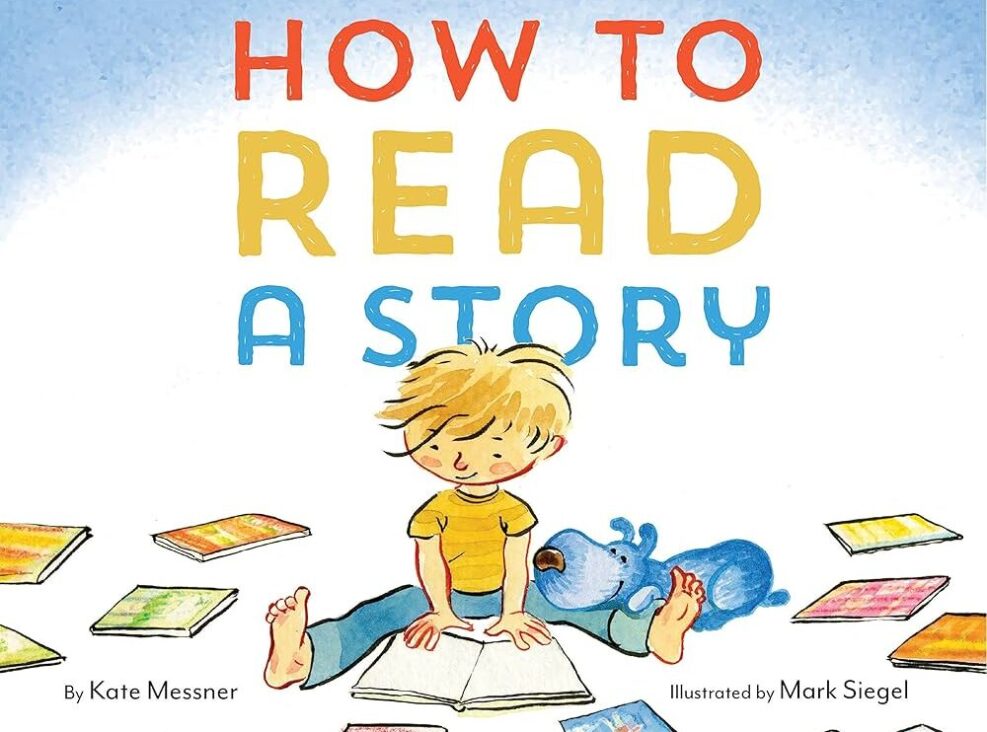
 5. “How to Read a Story” by Kate Messner
“How to Read a Story” guides children through the joy of reading, from choosing a book and finding a reading friend to predicting what happens next and finally reaching The End. It helps young readers understand how stories work and even inspires them to create their own!
Activity Idea: after reading, challenge them to retell a story from another character’s perspective or come up with their ending.
6. “Would You Rather…?” by John Burningham
This engaging book presents a series of playful dilemmas that invite children to use their imagination and make choices. It’s a fun way to encourage discussion and get them thinking about different possibilities.
Activity Idea: have students create their own “Would you rather?” questions. Then, let them ask each other and explain their choices. This helps them build confidence in speaking and reasoning.

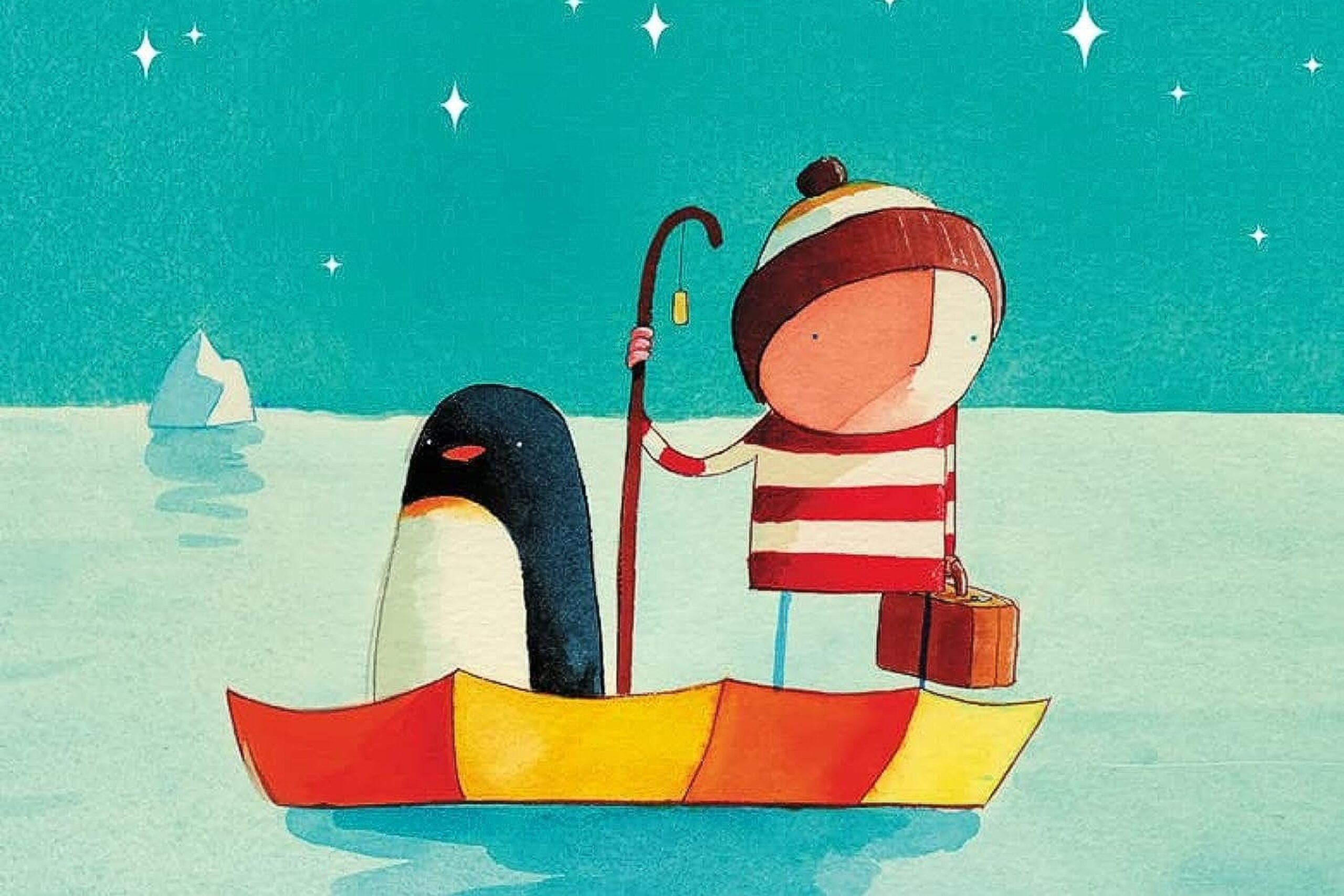
7. “Lost and Found” by Oliver Jeffers
This beautiful story follows a little boy who finds a penguin and goes on a journey to help it find its way home. It’s perfect for discussing friendship, empathy, and problem-solving.
Activity Idea: After reading, ask students to think about what they would do if they found a lost animal. Have them share their ideas with the class and explain how they would help the animal feel safe. This encourages speaking and empathy.
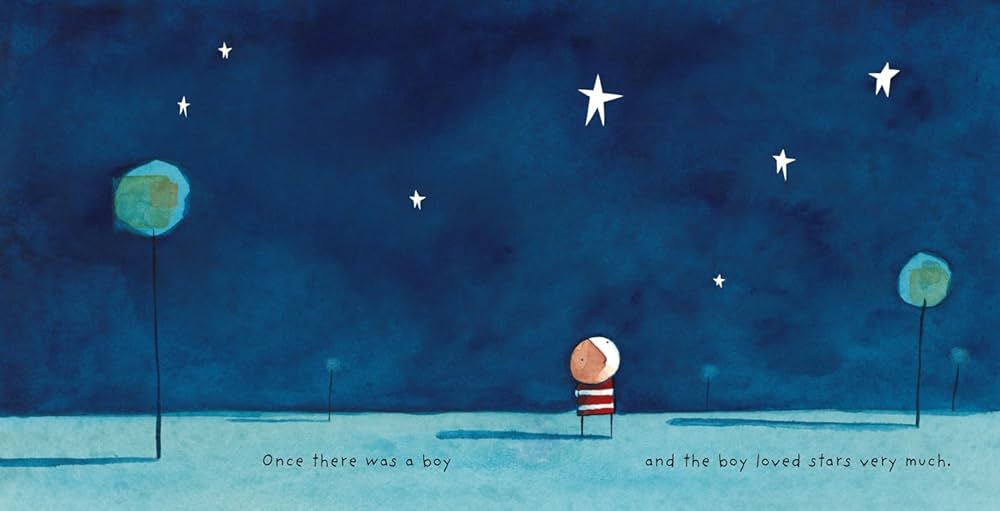
8. “How to Catch a Star” by Oliver Jeffers
In this sweet story, a boy dreams of catching a star and tries different ways to make it happen. It’s a great book to encourage kids to think about their dreams and how they can reach them.
Activity Idea: ask students how they would catch a star. Have them draw their ideas or explain their plan to the class.
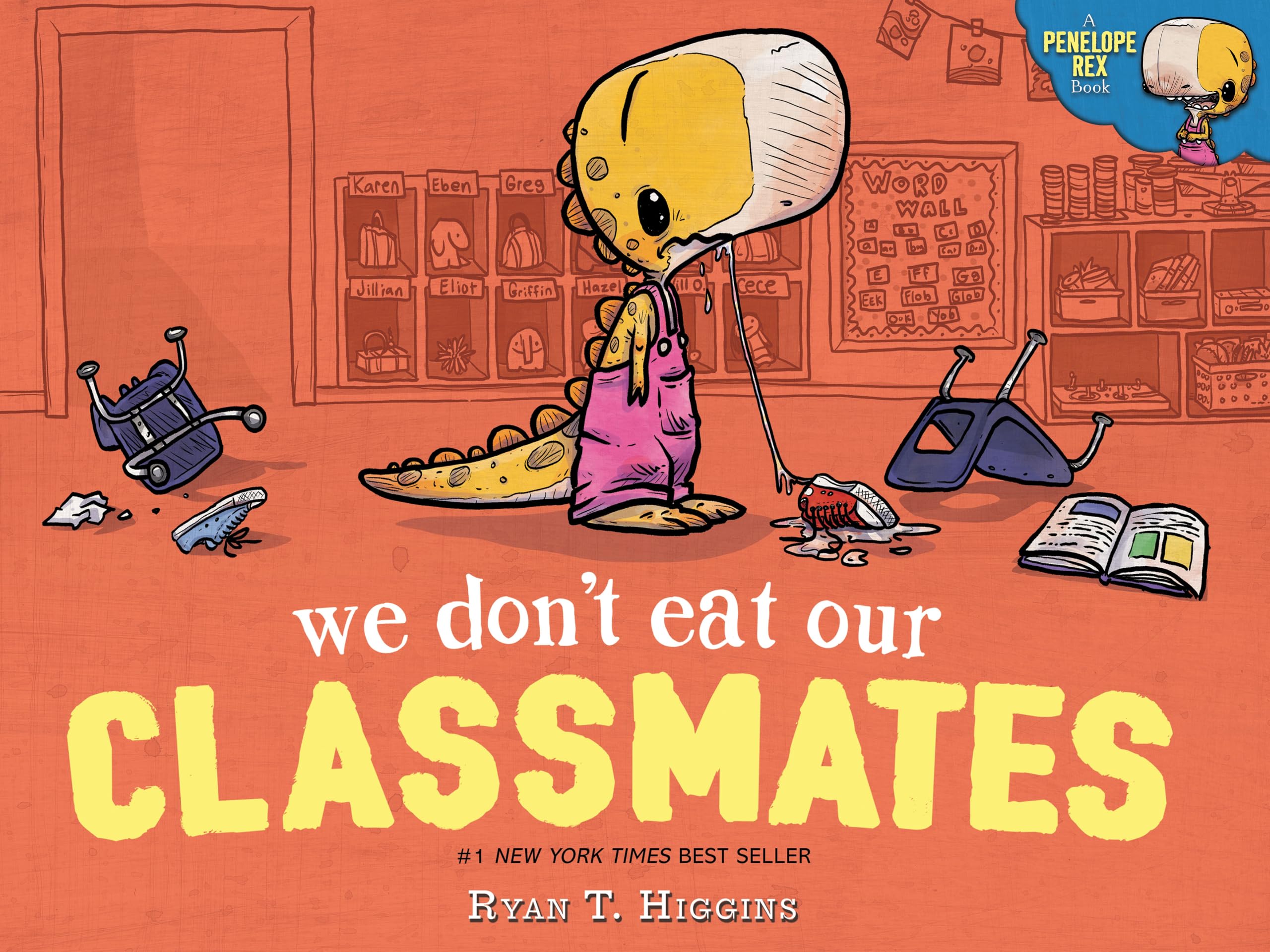
9. “We Don’t Eat Our Classmates” by Ryan T. Higgins
This playful and witty story delivers important lessons about manners, friendship, and handling social situations in a lighthearted way. With its charming humour, it helps children understand empathy and the importance of good communication.
Activity Idea: ask the kids to talk about what makes a good friend and share how they show kindness. Then, have them role-play different friendship scenarios, such as welcoming a new classmate, resolving a disagreement, or comforting a friend who is upset.
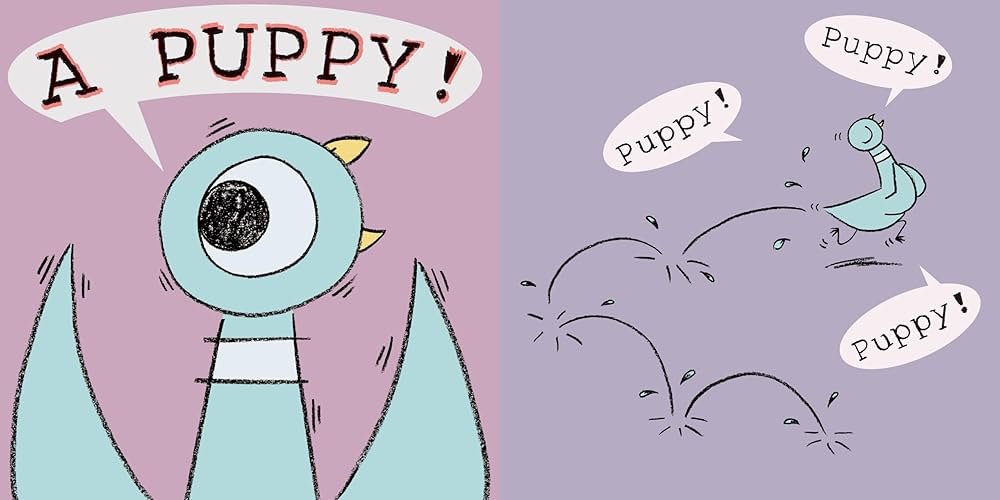
10. “The Pigeon Wants a Puppy” by Mo Willems
The Pigeon’s desire for a puppy makes for a funny and energetic read. This book helps students practise reading with enthusiasm and speaking with expression, both of which are important for effective communication.
Activity Idea: let the kids act out their favourite scenes, speaking in the pigeon’s voice. They can even create their own stories about what the pigeon wants and express them in detail.
Next time you’re looking for a way to help your child or student become a better communicator, try one of these books. Not only will they enjoy the story, but they’ll also have plenty of chances to practise speaking with confidence!